
Meteorológiai társalgó
Hasznos linkek (és egy infó)
TMAX TIPPVERSENY 2.0 - 2026. augusztus, tippek >> Sat24 műholdképek
>> Sat24 Magyarország mozgó műholdkép
>> Magyarországi radarképek archívuma
>>Tippelek az előrejelzési verseny aktuális fordulójában!
>>Rádiószondás felszállások élő követése!
>>Észlelés (közeli villámlás, jégeső, viharos szél, villámárvíz, szupercella, tuba, porördög, tornádó, víztölcsér, viharkár) beküldése a szupercella.hu-nak!
----------
Képek beillesztése esetén kérjük azokat megvágni, reklámok, mobilok fejléce, stb. csak feleslegesen foglalja a helyet és áttekinthetetlenné teszi az oldalt - a vágatlan képek ezért törlésre kerülnek.
Fotózáskor kérjük a mobilt fektetve használni, egy keskeny de magas kép egyrészt szintén sok helyet foglal, másrészt a kép sem túl élvezetes.
Köszönjük az együttműködést és a megértést.
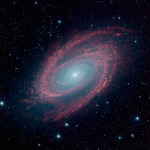
Nem “global killer”.
Ahhoz a Morpheus túl kicsi. A globális klímában is csak kis változást okozna (kb pont eleget), tehát nem lenne “nukleáris tél” sem. Kb egy ilyen becsapódás hozta létre a mai Németországban található Nördlingen-kráter. Nyilván 100-200 km-es körzetben minden elpusztul, de ha ugyanott történne egy mostani hasonló, akkor ide max egy kis tektit-eső jutna, meg finom por
Kiváncsiságból kiszámoltattam Dunavarsányra (nördlingeni becsapódással)
Distance from Impact: 660.00 km ( = 410.00 miles )
Projectile diameter: 1.85 km ( = 1.15 miles )
Projectile Density: 3000 kg/m3
Impact Velocity: 20.00 km per second ( = 12.40 miles per second )
Impact Angle: 30 degrees
Target Density: 2500 kg/m3
Target Type: Sedimentary Rock
Energy before atmospheric entry: 1.99 x 10^21 Joules = 4.75 x 10^5 MegaTons TNT
The average interval between impacts of this size somewhere on Earth during the last 4 billion years is 2.6 x 10^6 years
Transient Crater Diameter: 16.3 km ( = 10.1 miles )
Transient Crater Depth: 5.77 km ( = 3.58 miles )
Final Crater Diameter: 23.6 km ( = 14.7 miles )
Final Crater Depth: 766 meters ( = 2510 feet )
The crater formed is a complex crater. The volume of the target melted or vaporized is 8.77 km3 = 2.1 miles3
Roughly half the melt remains in the crater, where its average thickness is 41.9 meters ( = 137 feet ).
The fireball is below the horizon. There is no direct thermal radiation.
The major seismic shaking will arrive approximately 2.2 minutes after impact.Richter Scale Magnitude: 8.4
Mercalli Scale Intensity at a distance of 660 km: IV-V.
The ejecta will arrive approximately 6.49 minutes after the impact.
At your position there is a fine dusting of ejecta with occasional larger fragments
Average Ejecta Thickness: 2.21 mm ( = 0.869 tenths of an inch)
Mean Fragment Diameter: 1.03 mm = 0.406 tenths of an inch
The air blast will arrive approximately 33.3 minutes after impact.
Peak Overpressure: 11200 Pa = 0.112 bars = 1.59 psi
Max wind velocity: 25.2 m/s = 56.3 mph
Sound Intensity: 81 dB
Damage Description:
Glass windows will shatter.
Ahhoz a Morpheus túl kicsi. A globális klímában is csak kis változást okozna (kb pont eleget), tehát nem lenne “nukleáris tél” sem. Kb egy ilyen becsapódás hozta létre a mai Németországban található Nördlingen-kráter. Nyilván 100-200 km-es körzetben minden elpusztul, de ha ugyanott történne egy mostani hasonló, akkor ide max egy kis tektit-eső jutna, meg finom por
Kiváncsiságból kiszámoltattam Dunavarsányra (nördlingeni becsapódással)
Distance from Impact: 660.00 km ( = 410.00 miles )
Projectile diameter: 1.85 km ( = 1.15 miles )
Projectile Density: 3000 kg/m3
Impact Velocity: 20.00 km per second ( = 12.40 miles per second )
Impact Angle: 30 degrees
Target Density: 2500 kg/m3
Target Type: Sedimentary Rock
Energy before atmospheric entry: 1.99 x 10^21 Joules = 4.75 x 10^5 MegaTons TNT
The average interval between impacts of this size somewhere on Earth during the last 4 billion years is 2.6 x 10^6 years
Transient Crater Diameter: 16.3 km ( = 10.1 miles )
Transient Crater Depth: 5.77 km ( = 3.58 miles )
Final Crater Diameter: 23.6 km ( = 14.7 miles )
Final Crater Depth: 766 meters ( = 2510 feet )
The crater formed is a complex crater. The volume of the target melted or vaporized is 8.77 km3 = 2.1 miles3
Roughly half the melt remains in the crater, where its average thickness is 41.9 meters ( = 137 feet ).
The fireball is below the horizon. There is no direct thermal radiation.
The major seismic shaking will arrive approximately 2.2 minutes after impact.Richter Scale Magnitude: 8.4
Mercalli Scale Intensity at a distance of 660 km: IV-V.
The ejecta will arrive approximately 6.49 minutes after the impact.
At your position there is a fine dusting of ejecta with occasional larger fragments
Average Ejecta Thickness: 2.21 mm ( = 0.869 tenths of an inch)
Mean Fragment Diameter: 1.03 mm = 0.406 tenths of an inch
The air blast will arrive approximately 33.3 minutes after impact.
Peak Overpressure: 11200 Pa = 0.112 bars = 1.59 psi
Max wind velocity: 25.2 m/s = 56.3 mph
Sound Intensity: 81 dB
Damage Description:
Glass windows will shatter.
Utolsó észlelés
Térképek
Radar
Aktuális hõmérséklet
Aktuális szél
Utolsó kép

Mi történt Európa éghajlatával?
Érdekességek | 2026-08-11 11:42
Szabályzat